
Why Night-Time Breastfeeding & Pumping Can Be Important for Milk Supply
Finally got your baby to sleep for a longer stretch at night? The last thing you probably want to hear is that you might need to breastfeed or pump again.
Sleep is incredibly important during postpartum recovery, but especially during the early weeks of breastfeeding, night-time milk removal can play an important role in establishing and maintaining your breast milk supply.
Here’s what’s happening behind the scenes while you sleep, and why those sleepy 2am or 3am feeds may be doing more than simply filling your baby’s tummy.
Your Milk-Making Hormones Work Around the Clock
Breast milk production largely works on supply and demand.
When milk is regularly removed from the breasts, whether through direct breastfeeding, pumping or a combination of both, it signals to your body that milk is needed.
When milk remains in the breasts for longer periods, your body may gradually receive the opposite message and adjust production accordingly.
This is particularly important during the early weeks postpartum, when your body is still establishing milk production based on how frequently and effectively milk is being removed.
Why Night-Time Feeds Can Be Different
One important hormone involved in breast milk production is prolactin.
Prolactin levels follow a natural daily rhythm and tend to be higher during sleep and overnight.
Your prolactin response to breastfeeding can also be greater at night. This means those middle-of-the-night nursing or pumping sessions can provide useful stimulation during a time when your milk-making hormones are naturally active.
This is one reason many breastfeeding mums notice that their breasts feel fuller or that they pump more milk during the night or early morning.
Does Skipping a Night Feed Reduce Milk Supply?
Not necessarily.
Every mum has a different milk storage capacity, supply and breastfeeding journey.
Some mums can comfortably go for a longer stretch overnight without noticing any significant change in their milk production. Others may find that regularly going long periods without breastfeeding or pumping gradually affects their overall supply.
The important thing is to look at your total milk removal across 24 hours, rather than focusing on one individual feed.
If your baby suddenly starts sleeping much longer at night, for example, your breasts are also experiencing a longer period without milk removal.
Over time, your body may adapt to that new pattern.
For a mum who already has a well-established or abundant milk supply, this may be completely manageable.
But if you're still establishing your supply, exclusively pumping, working on increasing milk production or already struggling with low supply, dropping night-time milk removal may have a bigger impact.
What If My Baby Starts Sleeping Through the Night?
First: congratulations on the sleep!
A longer stretch doesn't automatically mean you need to set an alarm and pump.
Whether you should continue a night-time feed or pumping session depends on factors such as:
- How old your baby is
- Whether your milk supply is established
- Your baby's growth and milk intake
- How frequently milk is removed during the rest of the day
- Whether you are directly breastfeeding, exclusively pumping or combination feeding
- Your individual milk storage capacity
- Whether you are experiencing low supply or oversupply
If your baby is very young, was born prematurely, has feeding difficulties or isn't gaining weight as expected, speak with your baby's healthcare provider or lactation professional before allowing longer stretches between feeds.
What About Exclusively Pumping Mums?
Night-time pumping can be particularly relevant when you're exclusively pumping because your pump is responsible for providing the milk-removal signals that your baby would otherwise provide at the breast.
During the early weeks, regularly removing milk throughout the day and night can help establish your supply.
As your supply becomes established, you may eventually be able to adjust your pumping schedule and create a longer stretch of sleep.
But there isn't one perfect pumping schedule that works for everyone.
Some pumping mums can drop their middle-of-the-night pump without seeing much difference. Others notice their daily output starts decreasing.
If you decide to experiment with dropping a night pump, keep an eye on your total daily milk output, rather than judging your supply from one pumping session.
Can I Breastfeed Instead of Pumping at Night?
Absolutely.
If your baby wakes and breastfeeds effectively, you don't necessarily need to pump simply because it's night-time.
Direct breastfeeding is milk removal too.
For some mums, nursing baby and returning to sleep is much easier than getting up, assembling a pump, pumping, storing milk and cleaning pump parts.
If baby is sleeping but you need additional milk removal to maintain or increase supply, that's when an overnight pumping session may be useful.
Making Night Feeds a Little Easier
Night-time feeding can be exhausting, so comfort matters.
If you're breastfeeding, a side-lying breastfeeding position can be useful to learn because it allows you to nurse without sitting upright for the entire feed.
Keep essentials such as water, burp cloths and anything else you regularly need within easy reach before going to bed.
For pumping mums, preparing your pump and clean parts before bedtime can make that middle-of-the-night session feel much less disruptive.
And remember: your own rest matters too. More pumping isn't automatically better if you're exhausted and your current feeding routine is already supporting your baby and maintaining your supply.
Make Those Night-Time Pumps a Little Easier
If you're keeping a middle-of-the-night pumping session, making it as simple and comfortable as possible can make those sleepy pumps feel a lot more manageable.
Make pumping more comfortable
When you're half awake at 3am, the last thing you want is an uncomfortable pumping session.
A Pumping Spray can help lubricate your flanges to reduce friction and tugging while pumping. And don't forget that correct flange sizing matters too. A properly fitted flange can make a big difference to your pumping comfort.
Skip the midnight walk to the fridge
Finished pumping and don't want to walk all the way to the kitchen?
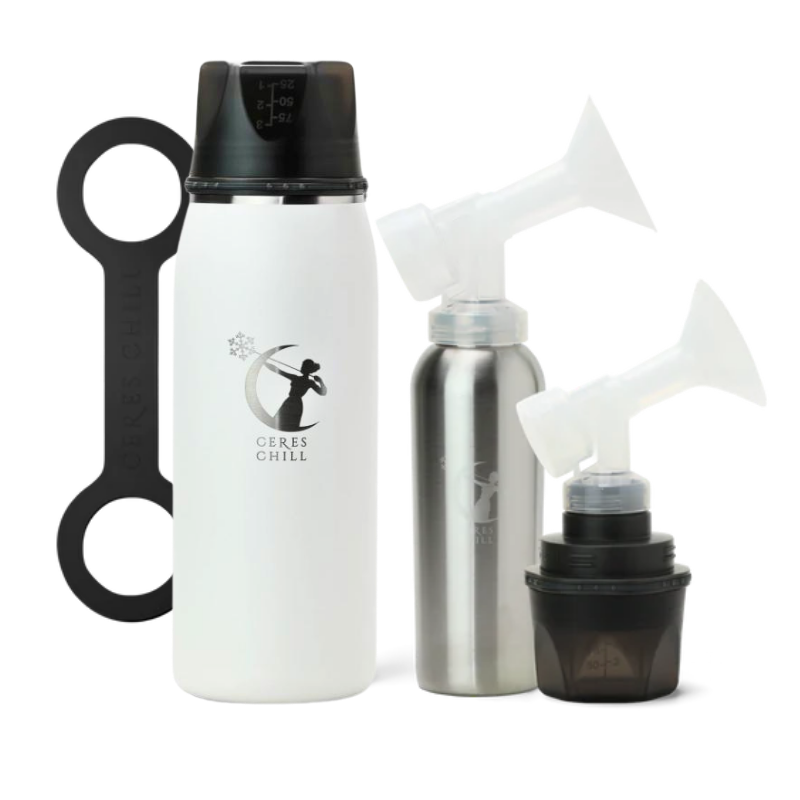
Keep a Ceres Chill Breastmilk Chiller nearby so freshly expressed milk can be kept chilled without needing immediate access to a refrigerator.
It can be especially handy for night-time pumping, travel, work or anywhere you need a convenient way to keep expressed milk cold.
Working on milk flow or let-down?
Some mums find that milk doesn't always flow as easily during every pumping session.
If milk flow or let-down is something you're working on, explore our Milk Flow & Let-Down collection, including options such as Pump Princess, Lechita and Tea-Tas.
Remember that every mum responds differently, and supplements aren't a replacement for frequent and effective milk removal when you're working on milk supply.
Your 3am pumping setup
Before heading to bed, set up a little pumping station with everything you'll need: your pump, clean pump parts, water, Pumping Spray and a Ceres Chill for storing expressed milk.
The goal isn't to make you do more at night. It's to make the pumping sessions you already need to do easier, more comfortable and less disruptive to your sleep.
Do You Need to Pump at 3am Forever?
No!
Night-time milk removal can be particularly useful while your supply is being established, but breastfeeding changes as your baby grows.
Your baby's feeding patterns change. Your breasts adapt. Your milk storage capacity matters. And eventually many mums are able to get longer stretches of sleep without negatively affecting their supply.
There isn't a universal age or week when every breastfeeding mum should stop pumping overnight.
Instead, look at the bigger picture: your baby's growth, your overall milk production, your feeding frequency and how your body responds when you begin extending the time between feeds.
The Bottom Line
Those middle-of-the-night breastfeeding and pumping sessions can feel exhausting, but they can play an important role in milk production, particularly during the early stages of establishing breastfeeding.
Prolactin is naturally higher during sleep and overnight, while regular milk removal continues to tell your body that your baby needs milk.
But that doesn't mean every breastfeeding mum needs to wake up and pump every night.
If your baby is growing well, your milk supply is established and your body comfortably handles a longer overnight stretch, you may not need that middle-of-the-night session.
And if you're working on building or protecting your supply, keeping some night-time milk removal may be helpful.
Breastfeeding isn't about following one perfect schedule. It's about understanding how milk production works and finding a feeding rhythm that supports both your baby and you.
If you're concerned about your baby's intake, weight gain or your milk supply, speak with a qualified healthcare provider or lactation professional for individual guidance.