
When Breast Milk Smells "Off": Understanding High Lipase Milk (And What You Can Do About It)
You've pumped your milk, stored it carefully, and when you finally thaw it... it smells soapy, metallic, fishy, or even a little sour.
Before you panic and pour it away, here's some good news:
Your milk probably hasn't gone bad.
You may simply have high lipase milk.
What Is Lipase?
Lipase is a naturally occurring enzyme found in breast milk. Its job is to break down fats into smaller components that are easier for your baby to digest.
Think of it as built-in digestive support for your milk.
Lipase also provides antibacterial, antiviral, and gut-protective benefits for your baby.
So Why Does My Milk Smell Different?
For some mums, lipase works a little too efficiently.
During storage, particularly in the fridge or freezer, lipase continues breaking down the fats in breast milk. This can sometimes cause stored milk to develop a soapy, metallic, fishy, or sour smell or taste.
This can happen at different rates for every mum. Some notice changes within a few hours, while others only notice it after several days.
The important thing to remember?
A change in smell does not mean your milk has spoiled.
Is High Lipase Milk Safe?
Absolutely.
High lipase milk remains safe, nutritious, and full of all the goodness your baby needs.
The challenge is usually taste, not safety.
Some babies happily drink high lipase milk without noticing any difference, while others may become more selective once the flavour changes during storage.
How Do I Know If I Have High Lipase Milk?
If your freshly pumped milk smells sweet and milky but your refrigerated or frozen milk develops a soapy, metallic, fishy, or sour smell, high lipase may be the reason.
Try this simple test:
• Pump a small amount of milk.
• Store half in the fridge and half in the freezer.
• Compare the smell and taste after 1 day, 3 days, and 1 week.
• Compare both samples with freshly expressed milk.
If the stored milk develops a stronger or unusual smell while fresh milk remains unchanged, high lipase could be the cause.
Tips for Feeding a Baby With High Lipase Milk
If your little one is turning up their nose at stored milk, these strategies may help:
1. Mix Stored Milk With Fresh Milk
Start with 25% stored milk and 75% fresh milk, then gradually increase the amount of stored milk over time.
2. Serve Milk Chilled
Some babies are more sensitive to taste when milk is warm. Offering milk cold or slightly slushy may help mask flavour changes.
3. Introduce Stored Milk Early
Offering stored milk regularly from the early weeks can help babies become familiar with its taste and smell.
4. Offer During Dream Feeds
Some babies are more likely to accept stored milk when sleepy or just waking up.
5. Feed or Freeze Milk Quickly
Some mums notice flavour changes within hours, while others have a longer window. Feeding fresh milk immediately or freezing milk soon after pumping may help slow down lipase activity.
The Traditional Way: Scalding Breast Milk
Some mums choose to scald their milk before storage to slow lipase activity.
Traditionally, this meant:
• Heating milk on the stove
• Monitoring temperatures carefully
• Cooling milk quickly afterwards
• Washing multiple containers and equipment
For working mums or mums on the go, this wasn't always practical.
The Ceres Chill Way: Scalding Made Simpler
With the right tools, scalding breast milk can be much easier.
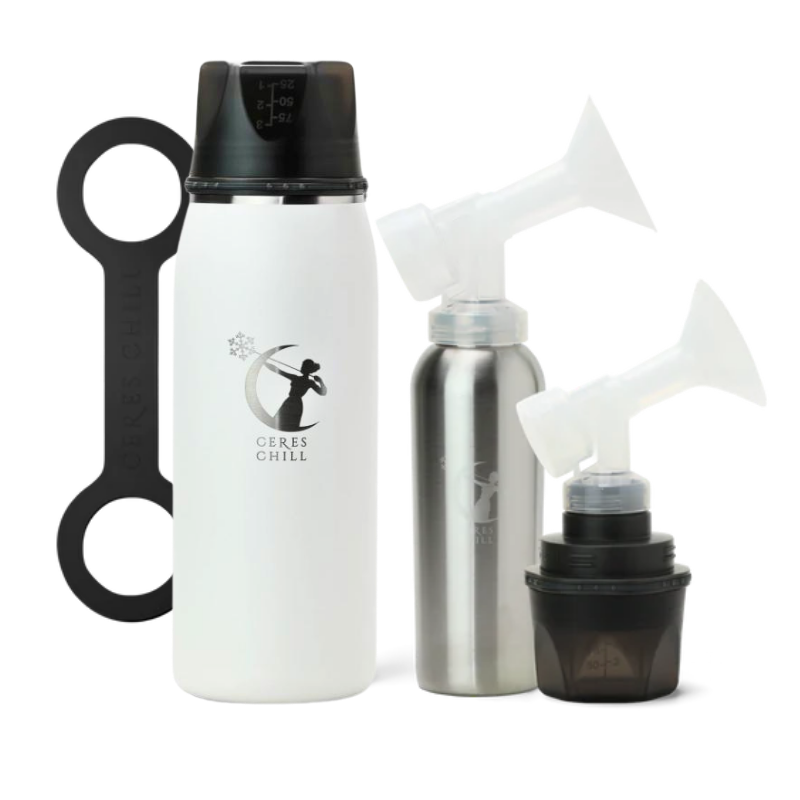
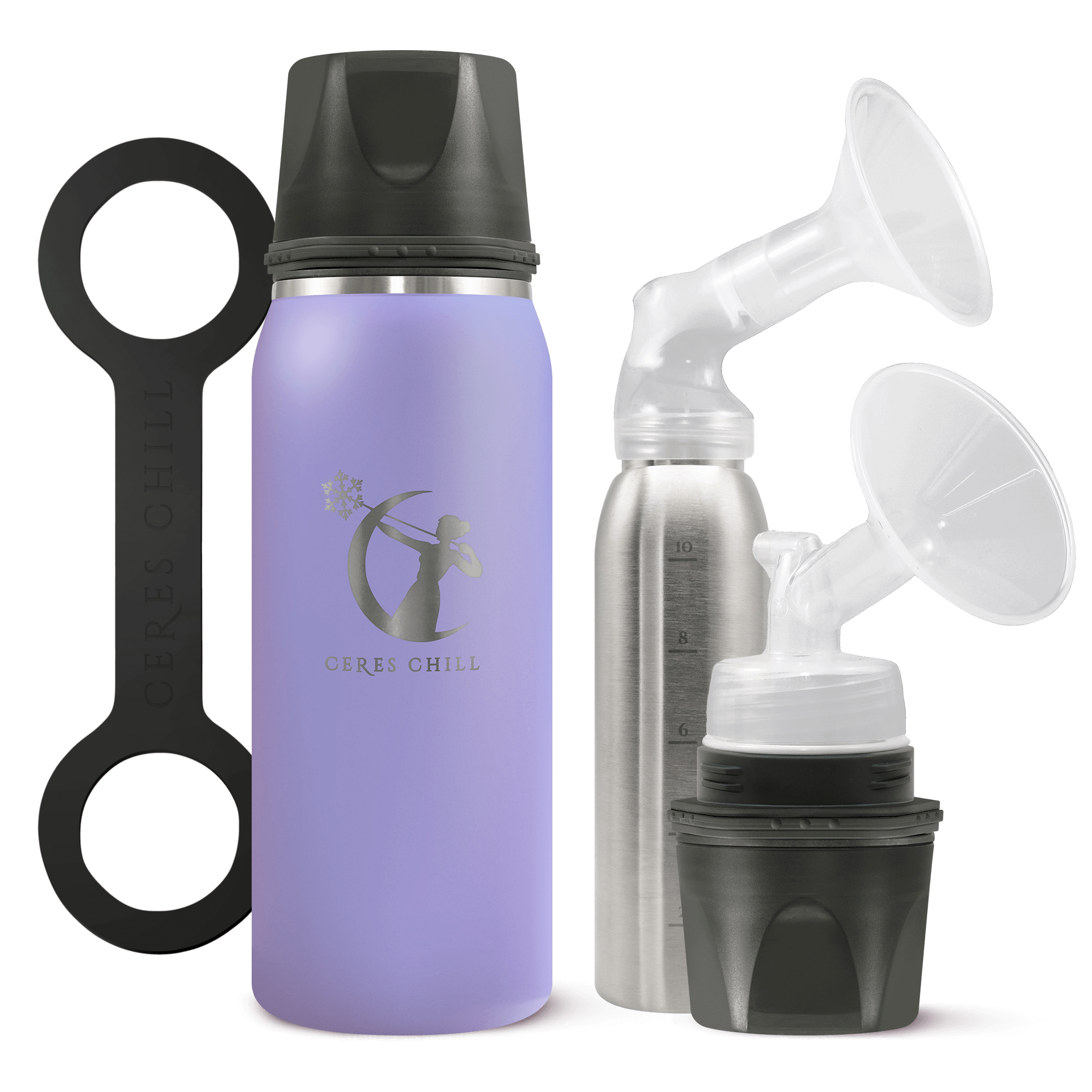
Using a bottle warmer and your Ceres Chill breast milk chiller, you can scald and cool your milk with minimal transfers and fewer dishes.
Step 1
Pump directly into the Ceres Chill inner chamber to minimise milk transfers and reduce contamination risk.
Step 2
Fill the outer chamber with hot water and use it like a bottle warmer.
Step 3
Heat the milk in the inner chamber to approximately 82°C (180°F), checking the temperature using a thermometer.
Step 4
Remove the hot water and prepare an ice bath in the outer chamber using ice and cold water.
Step 5
Immediately place the inner chamber into the ice bath to cool the milk quickly and preserve as many nutrients as possible.
Once cooled, replace the melted ice if needed and continue storing your milk in the Ceres Chill, or transfer it directly to the freezer.
Frequently Asked Questions
Is high lipase something I caused?
Not at all. Lipase levels are biologically determined and simply reflect how your body produces milk.
Can I reduce lipase levels?
There is currently no proven method to reduce lipase production, and in most cases there is no need to do so.
Can high lipase milk cause tummy issues?
No. High lipase affects taste and smell rather than digestion. In fact, lipase helps babies digest fats more efficiently.
Should I throw away milk that smells funny?
Not necessarily.
If your milk has been stored safely according to breast milk storage guidelines, an unusual smell alone is not a reason to discard it.
When in doubt, try mixing it with fresh milk or offering it chilled before deciding to throw it away.
The Bottom Line
High lipase milk can be frustrating, especially after spending hours building your freezer stash.
But remember:
✔ Your milk is still safe.
✔ Your milk is still nutritious.
✔ Your milk is still liquid gold.
Sometimes, it's simply a matter of finding the strategy that works best for your baby and your feeding journey.